

Drone Strikes and Airport Closures: Analyzing the Rising Tension in Ukraine
In a chilling escalation of hostilities, Russian drone strikes targeted Kharkiv on the heels of Ukrainian attacks that temporarily grounded flights at Moscow’s airports. This latest chapter in the ongoing conflict illustrates the complex interplay of military strategy and international tensions, impacting not only the immediate regions but also the broader geopolitical landscape. 🌍
The Context of Conflict
The Ukraine-Russia conflict, now entering its second year, has seen a dramatic increase in the use of unmanned aerial vehicles (UAVs). As both sides push the boundaries of warfare technology, the political ramifications of these assaults have grown immense. Notably, the Ukrainian drone strikes that led to airport closures in Moscow were perceived as a significant offensive, prompting a swift and fierce response from the Russian military. 📉
A Closer Look at the Kharkiv Attacks
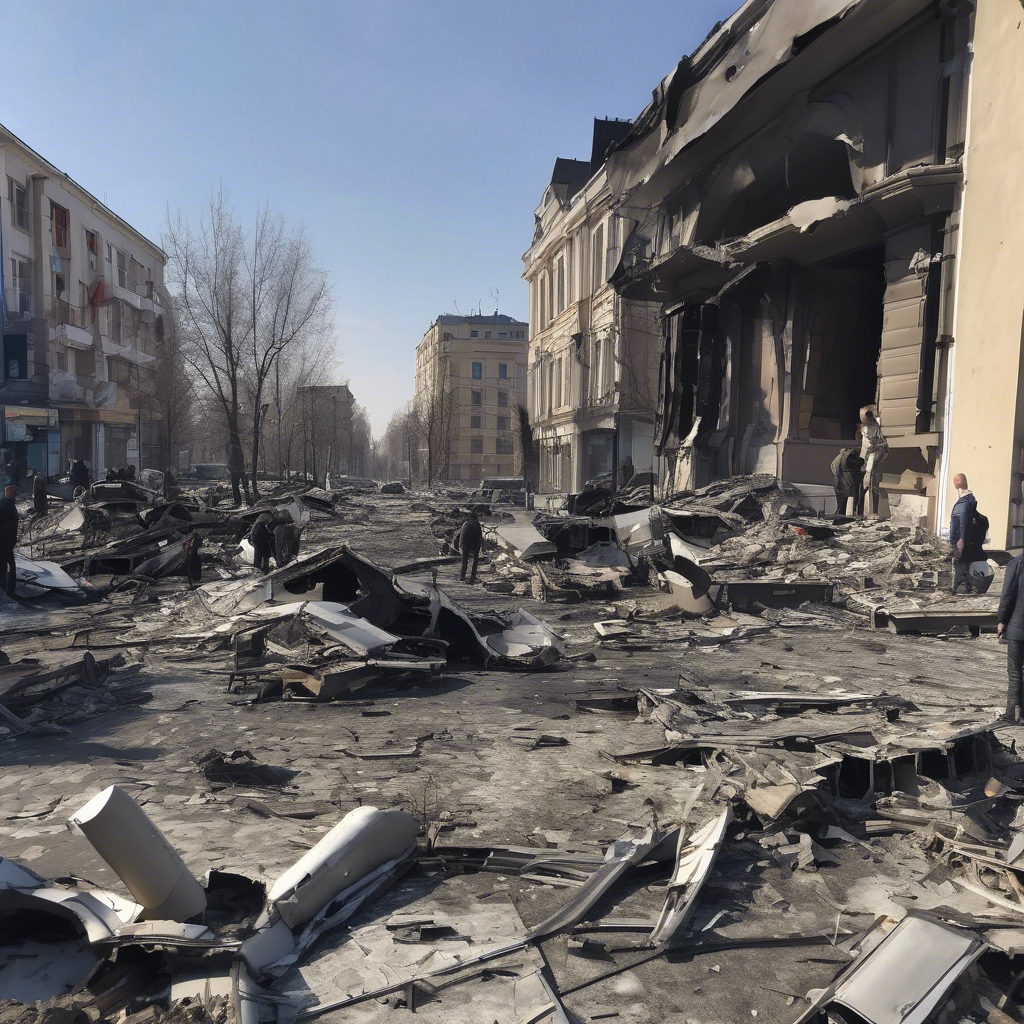
On a recent night, Kharkiv, Ukraine’s second-largest city, experienced an unprecedented assault by Russian drones, resulting in civilian casualties and extensive property damage. This incident is emblematic of Russia’s shifting tactics, as they increasingly rely on aerial strikes to send a message of deterrence and retaliate against perceived Ukrainian provocations.
The Ukrainian military’s counterattacks have relied heavily on advanced drone technology, with reports indicating that they have successfully targeted strategic Russian military assets in Crimea and eastern Ukraine. The implications of such strikes are far-reaching, affecting not just local military capabilities but also international perceptions of Ukraine’s resolve and Russia’s vulnerability. 🔍
The Impact on Moscow’s Airports
Shortly before the Kharkiv strikes, an unusual and unprecedented move by Ukraine led to the temporary closure of several Moscow airports. Authorities reported interruptions due to security alerts, believed to be specific reactions to previous Ukrainian drone incursions. This situation highlights a significant operational shift: Ukrainian forces are not only defending their territory but are also daring to strike deep into Russian infrastructure, which could alter the tide of the conflict.
Global Reactions and Strategic Implications
The drone strikes and consequent airport closures have prompted analysts and foreign governments to reassess their positions on the conflict. NATO member states are increasingly aware of the need for a revised strategy, balancing support for Ukraine with the imperative to deter further escalation by Russia. International reactions have emphasized the urgent necessity for diplomatic resolutions while also preparing for potential ramifications on global security structures. 🌐
As the conflict lingers, concerns regarding energy supplies, food security, and regional stability have become central to global discussions. The continued reliance on drone warfare by both sides could signal a new era of combat, where technology determines the battlefield and drives geopolitical dynamics. 📊
Conclusion: A Shifting Battlefield
As Russia and Ukraine continue their tense standoff marked by aerial warfare and international scrutiny, the implications for Eastern Europe and beyond remain uncertain. The sophistication of drone technology now plays a central role, raising questions about future combat and diplomatic solutions. The world watches as both nations navigate a complex web of strategy, retaliation, and the quest for territorial integrity. 🔗


