
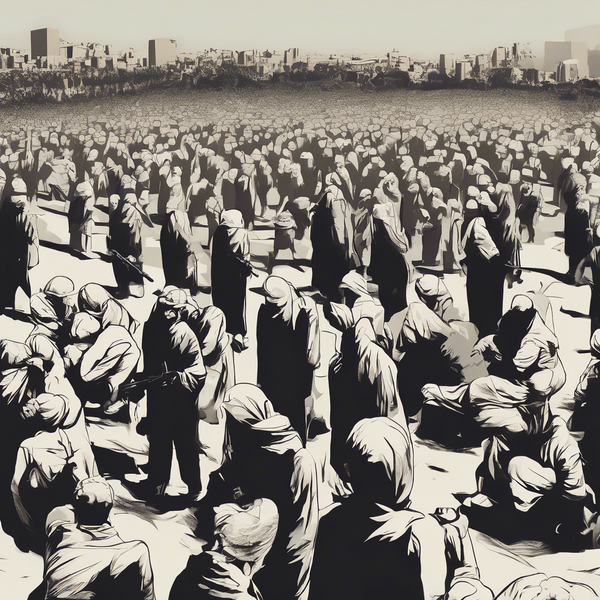

More Israelis Want the War to End – Driven by Fears for Hostages
The sounds of sirens have become a haunting backdrop to daily life in Israel, as the ongoing conflict intensifies, bringing with it an escalating sense of urgency and anxiety. As the plight of hostages held by militant groups remains at the forefront of public discourse, a significant shift in sentiment among Israelis is becoming increasingly evident. Many are now united by a singular desire for peace, driven largely by fears for their loved ones caught in the crossfire. 🎗️
Recent surveys reveal that nearly 67% of Israelis believe the government should seek immediate negotiations for peace, a stark contrast to the sentiments expressed months before. Concerns regarding the welfare of the hostages are proving to be a pivotal factor in reshaping public opinion on the continuation of military action. This pivot towards peace coincides with a growing realization that the cost of conflict, both human and economic, is becoming unsustainable.
The Hostage Crisis: A Driver of Change
The hostage crisis has emerged as a focal point in the conflict, affecting not only those directly involved but also casting a long shadow over Israeli society. With reports indicating over 200 individuals taken captive, families have been thrust into harrowing uncertainty, raising existential questions that resonate across the nation. Each hostage represents a family torn apart, a community unsettled, and a society under strain.
According to a recent study by the Israel Democracy Institute, public support for negotiations is linked to personal stories emerging from families of hostages, showcasing the emotional toll and the urgent desire for resolution. 📖
- 58% of respondents with personal connections to hostages support immediate peace talks.
- 70% of those without direct ties agree it’s time to prioritize family reunification over military objectives.
Moreover, the emotional narrative surrounding the hostages is compounded by collective trauma from past conflicts. The pain of loss and uncertainty has forged a sense of shared identity among Israelis, driving home the urgent need for resolution. In cafes and living rooms, there is a growing discourse that recognizes the futility of prolonged warfare in light of personal and national costs.
Public Sentiment: From Rallying Cry to Reconciliation
As protests have sprung up across cities, demanding an end to hostilities, the march for peace reflects a dramatic shift—from calls for vengeance to calls for dialogue. Younger generations, in particular, are vocal in their opposition to continued military engagement, advocating for peaceful resolutions and humanitarian approaches. The cries for “Free Our People” are increasingly complemented by demands for governmental accountability and a strategic pivot towards rebuilding trust between communities. ✌️
“We want to see our loved ones come home safe, and that is more important than any political agenda,” shared Rachel Cohen, a spokesperson for Families for Peace, during a recent rally. “There has to be a way to negotiate. We can’t keep living like this.” 🎤
Implications for Policy and Peace Negotiations
The implications of this shift could be far-reaching. Policymakers are now faced with a dual challenge: addressing the immediate concerns of war while fostering a long-term vision for peace. With public opinion increasingly favoring negotiations, political leaders may be compelled to reassess their strategies in a manner that reflects the voices of the constituents they serve. \\
- Engagement with Hostage Families: Incorporating the perspectives of hostages’ families in discussions could bring a human touch to negotiations.
- International Pressure: Global stakeholders may leverage this shifting public sentiment to advocate for peaceful resolutions, urging compromise over conflict.
- Humanitarian Aid Initiatives: The push for peace could open doors for increased humanitarian efforts aimed at rebuilding affected communities and fostering mutual understanding.
As the political landscape shifts, there is an urgent need for reflection on how a peace settlement can be crafted that acknowledges the fears, hopes, and aspirations of all stakeholders involved in the conflict.
Towards a Hopeful Future
The yearning for peace resonates deeply within Israeli society, reminding us of the human cost of conflict and the power of collective voice. With a robust majority urging for an end to hostilities, there is hope that this newfound consensus could pave the way for meaningful dialogue that transcends political divides. The hostages—symbols of love and loss—have the potential to become catalysts for a journey towards reconciliation. 🌈
Amidst the chaos, the common thread remains: the desire to protect and preserve life, to see families reunited, and to find a way back to peace. Only time will reveal if these voices will echo in the halls of power, inspiring change where it is most needed.


